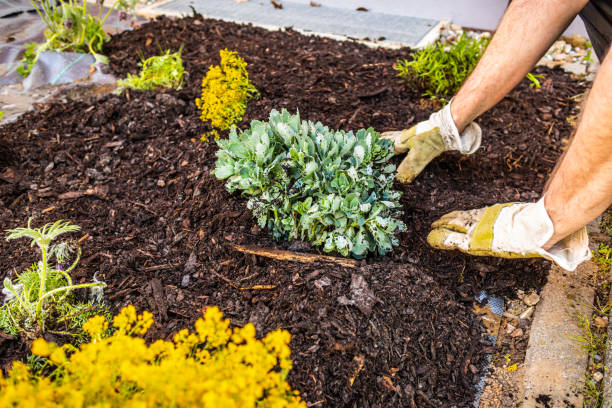
Integrating Native Elements: Enhance Your Yard's Ecosystem and Beauty Jun 17, 2026
Native plants are species that are indigenous to a specific region. They have evolved over centuries to adapt to the local climate, soil conditions, and ecological relationships. Using native plants in your landscaping offers numerous benefits. Firstly, these plants require less maintenance because they are naturally equipped to thrive in their environment. This means less need for watering, fertilization, and pest control, which can save you time and reduce your environmental footprint.
Furthermore, native plants are vital for local wildlife. They provide food and habitat for pollinators like bees and butterflies, along with birds and other beneficial creatures. By choosing native plant varieties, you’re supporting intricate food webs and making a positive ecological impact right in your backyard.
To begin integrating native elements into your landscape, assess the existing conditions. Observe the sun exposure, soil type, and water drainage in your yard. These factors will guide you in selecting the appropriate native plants. For sunny areas, consider species like Black-eyed Susans or Purple Coneflowers. For shady spots, you might opt for Ferns or Coral Bells, which are both shade-tolerant natives.
In addition to plant selection, consider incorporating natural hardscaping elements. Using locally sourced stone or wood for features like paths, benches, or retaining walls adds character to your landscape while maintaining a connection to the natural environment. These materials often require less transportation, reducing the carbon footprint of your project.
Another key aspect of using native elements is creating diverse plant groupings. Mixing different native species not only enhances visual interest but also improves plant health. Diverse plantings can increase resilience against pests and diseases, fostering a balanced ecosystem. Additionally, layers of plant heights, from ground covers to small trees, create dynamic landscapes that are both functional and beautiful.
Water management is another crucial part of enhancing your yard’s ecosystem. Implementing rain gardens or bioswales can help manage stormwater runoff and reduce erosion. These features are not only practical but can also be designed as attractive landscape elements with the inclusion of moisture-loving native plants.
Finally, consider the seasonal changes and aim for year-round interest. Select native plants that bloom at different times or have striking autumn foliage or winter berries. This ensures your landscape remains vibrant and engaging throughout the year, providing continual enjoyment and habitat for wildlife.
By incorporating native plants and materials, you're not only creating a stunning outdoor space but also contributing to the sustainability and health of the local ecosystem. At Bakers Landscape & Design, we are committed to helping you transform your yard into a thriving natural haven. With the right approach, you can enjoy a beautiful, low-maintenance landscape that supports biodiversity and connects you to the rich natural heritage of your region.
/filters:no_upscale()/filters:format(webp)/media/2f93dcc7-d37a-4f31-a0e7-53f5e729685c.jpeg)
/filters:no_upscale()/filters:format(webp)/media/c9d3d7e8-6b18-4a74-b672-1555d8cd881e.jpeg)