Garden Edging Essentials: Creating Clean Lines and Defined Spaces Nov 27, 2025
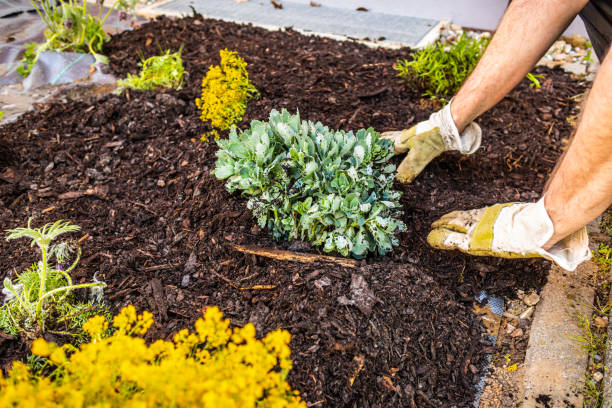
First and foremost, garden edging provides structure. It defines spaces in your garden, giving it a neat and organized appearance. By creating distinct separations between different areas, such as flower beds, walkways, and lawn areas, you not only improve the aesthetic appeal but also enhance functionality. This clear demarcation helps to prevent the grass from invading the flower beds and keeps mulch where it belongs.
Choosing the right materials for garden edging is essential. There are several options to consider, each offering a unique aesthetic and function. Natural stones offer an earthy appearance that seamlessly integrates into the landscape, perfect for a rustic or natural garden style. Brick and concrete are fantastic for a more formal setting, offering durability and an elegant appearance. Wood can provide a more casual, warm tone suitable for traditional gardens. Each material has its pros and cons, so it’s important to consider your overall landscape theme and maintenance preferences.
Incorporating garden edging into your landscape doesn’t have to be a challenging task. If you enjoy DIY projects, this could be a rewarding endeavor. However, for a more complex design or if you're seeking professional results, hiring specialists like those at Bakers Landscape & Design can save time and ensure quality. Experts will not only assist you in choosing the appropriate materials but can also design edging that optimally integrates with your existing landscape design.
An important factor when planning garden edging is the height and visibility. Edging that is too low might not effectively define the space, while edges that are too high can look awkward or become a tripping hazard. Strive for balance—edging should subtly highlight and enhance your landscape without overwhelming it.
Moreover, proper installation is crucial to the longevity and effectiveness of your garden edging. Pay particular attention to leveling and securing the materials in place. This will prevent any shifting over time, which can undermine the clean, defined lines essential to beautiful edging. Whether you're placing it on a slope or flat terrain, ensuring stability is key in maintaining a polished look.
Finally, remember that garden edging is not just a one-time project but part of the ongoing care and growth of your outdoor space. Regular maintenance, such as trimming the grass along the edges and checking for movement or damage to the materials, will keep your garden looking its best year-round.
In conclusion, garden edging is a powerful tool in landscape design. It provides structure, enhances appearance, and creates functional, defined spaces within your garden. At Bakers Landscape & Design, we encourage you to explore the endless possibilities of garden edging to transform your outdoor area into a stunning retreat. Whether you go the DIY route or choose professional installation, focusing on these essentials will put you on the path to creating a beautifully organized landscape that stands out.
/filters:no_upscale()/filters:format(webp)/media/2f93dcc7-d37a-4f31-a0e7-53f5e729685c.jpeg)
/filters:no_upscale()/filters:format(webp)/media/c9d3d7e8-6b18-4a74-b672-1555d8cd881e.jpeg)