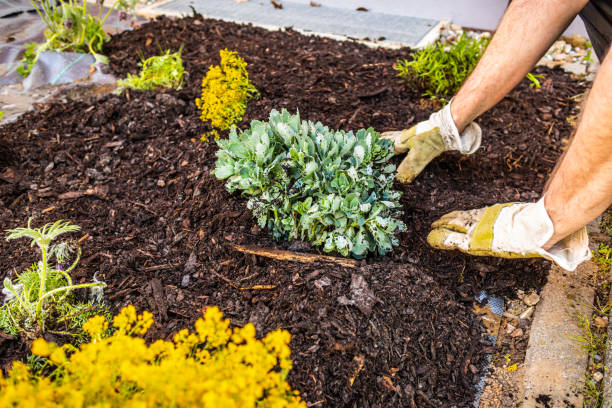
Designing with Texture: Combining Hardscape and Softscape Elements for a Richer Landscape Dec 01, 2025
The term "texture" in landscape design refers to the perceived surface quality of a plant or material. It's about how the components feel to the touch and how they create contrast in your garden. By thoughtfully combining the textures of hardscape and softscape, you can achieve a landscape that captivates and comforts. But how do you achieve the perfect balance between these elements?
Start by considering the overall design theme of your outdoor space. Whether you prefer a modern minimalist look or a more rustic charm, your landscape design should reflect your personal style. Hardscape elements such as stone pathways, wooden decks, and metal sculptures provide structure and definition to the landscape. These features can be both functional and decorative, serving as focal points or pathways that guide visitors through your garden.
On the other hand, softscape elements include the living components of your garden, such as grass, flowers, shrubs, and trees. These bring color, life, and a natural softness to your landscape, contrasting beautifully with the rigid lines of hardscaping. When selecting plants, consider their texture, color, and seasonal changes. Mixing plants with larger leaves, like hostas, with fine foliage plants, like ferns, can create a rich tapestry that adds depth and intrigue to your garden.
One key to successful landscape design is creating harmony between hardscape and softscape elements. Begin by using hardscaping to define boundaries and create structure. For example, a natural stone wall can provide a backdrop that highlights vibrant flower beds. Similarly, a gravel path lined with lush groundcover plants can create a seamless flow between different areas of your garden.
Utilizing different materials is another way to play with texture. Combining wood, stone, and metal can create dynamic contrasts. A wooden pergola might stand out against a stone patio, while a metal sculpture can become a striking focal point among green foliage. The use of varied materials not only adds texture but also offers a layered look that enriches the overall aesthetic.
Lighting is also crucial in highlighting textures within your landscape. Thoughtfully placed lights can cast interesting shadows that emphasize the textures of stone paths or illuminate the soft, rustling leaves of plants during the evening.
As you plan your landscape, consider the long-term maintenance of both hardscape and softscape elements. Hardscaping typically requires less upkeep than softscaping, but it's essential to choose durable materials that withstand weathering. For plants, selecting species that are well-suited to local climate conditions will ensure they thrive and continue to add beauty and texture to your space year-round.
In conclusion, designing with texture by combining hardscape and softscape elements provides an opportunity to create a garden that is truly exceptional. By understanding the qualities and interactions of different materials and plant species, you can achieve a balanced and inviting outdoor environment. At Bakers Landscape & Design, we are committed to helping you bring your vision to life, crafting landscapes that inspire relaxation and admiration. Whether you're starting from scratch or looking to enhance your current landscape, consider texture as a vital tool in your design arsenal.
/filters:no_upscale()/filters:format(webp)/media/2f93dcc7-d37a-4f31-a0e7-53f5e729685c.jpeg)
/filters:no_upscale()/filters:format(webp)/media/c9d3d7e8-6b18-4a74-b672-1555d8cd881e.jpeg)